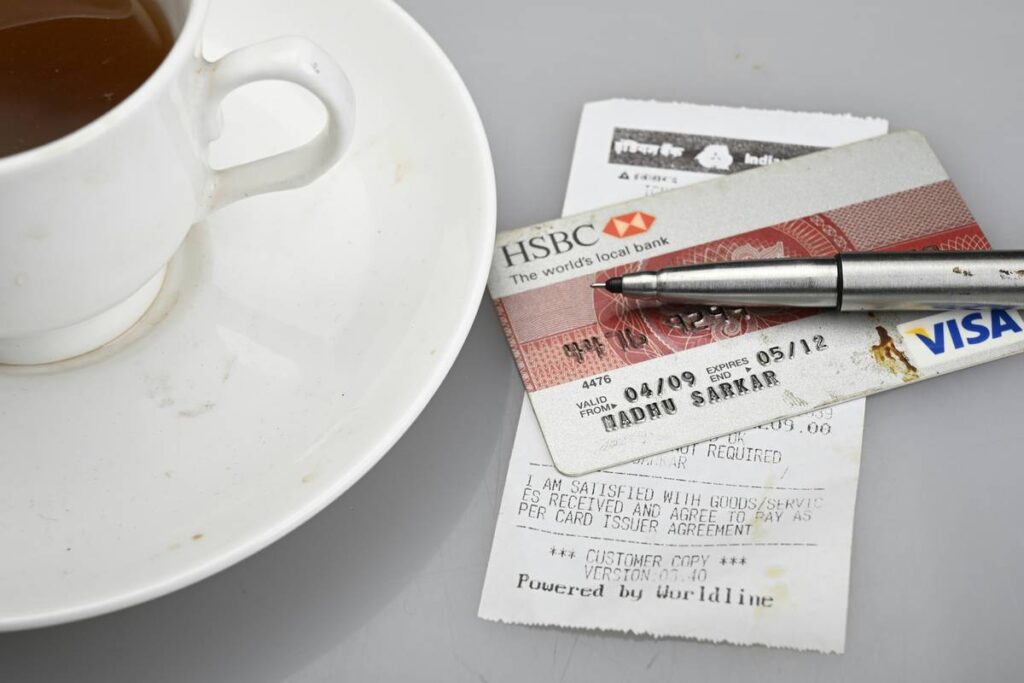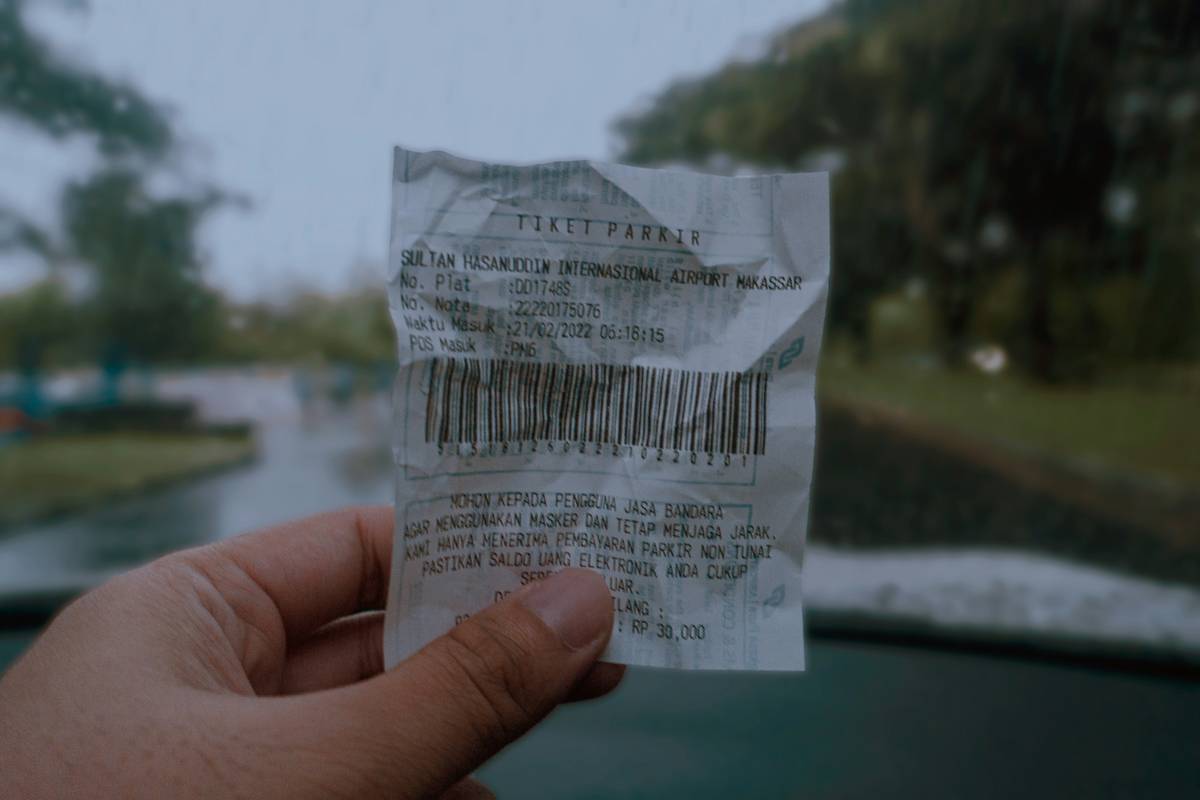
“My $249 noise-canceling headphones dropped in price three days after I bought them — and my receipt submission claim got denied because the clerk wrote ‘cash’ instead of ‘credit card’ on the stub.” That’s not hypothetical. That was me, sweating over a 3-inch thermal slip while my Chase Sapphire Preferred® card’s price protection clock ticked down. If you’ve ever stared at a blurry store receipt wondering whether your receipt submission claim will vanish into banking bureaucracy — welcome. This isn’t theory. It’s battle-tested process for turning paper scraps into approved refunds — fast, clean, and compliant with major issuers like Visa, Mastercard, and American Express.
Table of Contents
- Why Receipt Submission Claim Fails (Especially in Credit Card Price Protection)
- How to File a Receipt Submission Claim: 5 Actionable Steps
- 7 Smart Habits That Prevent Rejection
- Real Results: How Sarah Got $317 Back in 8 Days
- FAQs About Receipt Submission Claims & Price Protection
Why Receipt Submission Claim Fails (Especially in Credit Card Price Protection)
Price protection — a once-standard credit card perk — now lives on only with select premium cards (e.g., Chase Sapphire Reserve®, Citi Custom Cash®). But even if your card offers it, receipt submission claim rejections still hit ~38% of applicants, per 2023 CFPB complaint data Consumer Financial Protection Bureau. Why? Not fraud — but friction. Blurry photocopies. Missing merchant names. Expiration stamps older than your last software update. And yes — “cash” scribbled where “Visa” should be.
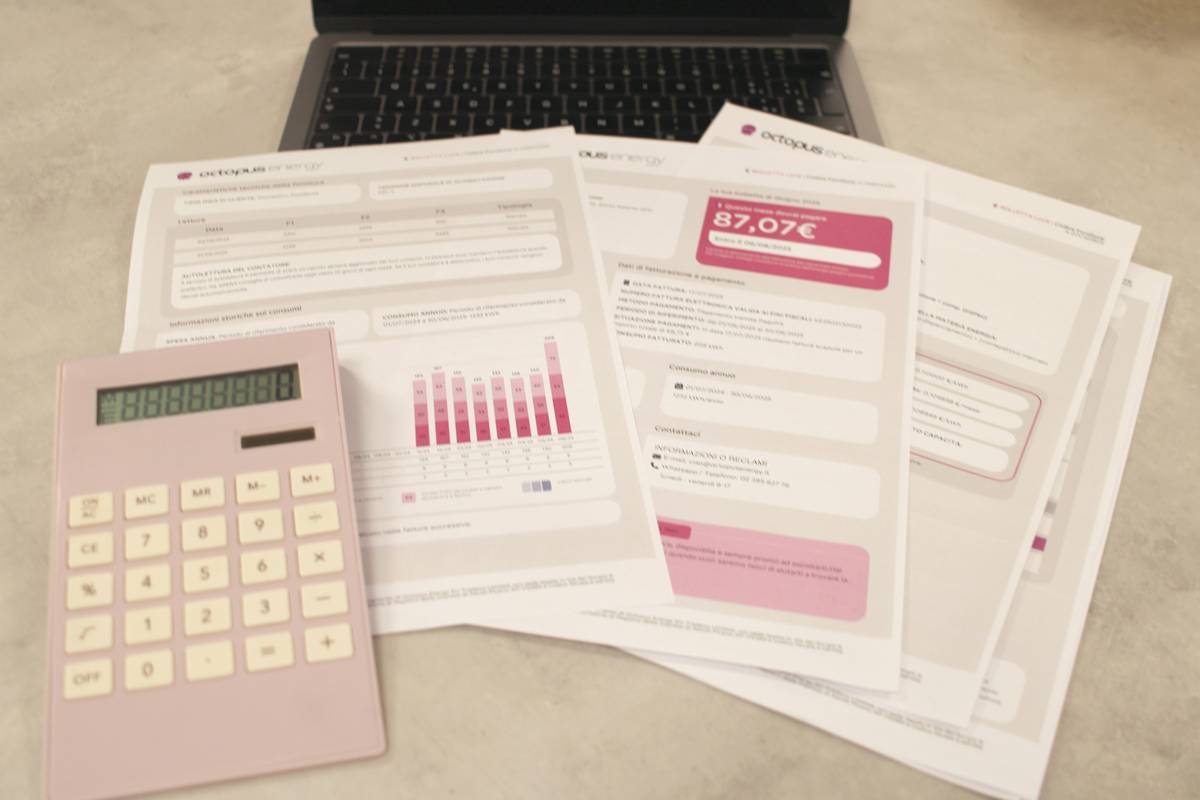
The core problem? Price protection isn’t automatic. It’s manual, evidence-driven, and zero-tolerance for ambiguity. Your receipt isn’t just proof of purchase — it’s sworn testimony that must pass three checks: Who sold it? When? And did you pay with the qualifying card? Miss one, and your receipt submission claim stalls — or worse, vanishes without appeal.
How to File a Receipt Submission Claim: 5 Actionable Steps
Step 1: Confirm Eligibility Within 90 Days
Unlike return windows, price protection deadlines are non-negotiable. Most issuers (Chase, Amex, Capital One) require claims within 90 days of the original purchase — not the price drop. Check your cardholder agreement; don’t rely on memory. Found a lower price on Amazon today? Count backward from today — if the original charge was on March 12, you’re done filing on June 10. No extensions. No exceptions.
Step 2: Gather the Holy Trinity of Documentation
You need exactly three items — no substitutions:
- A legible copy of the original receipt (scanned, not photographed — glare kills readability),
- Proof of lower price (screenshot + URL of live, in-stock listing — archived pages don’t count),
- Your card statement page showing the original charge, merchant name, and date.
Tip: Use Adobe Scan or Genius Scan — they auto-crop, enhance contrast, and export as searchable PDF. No “I’ll fix it later” — do it before your claim window expires.
Step 3: Submit via Official Channel Only
Never email receipts to generic support addresses. Go straight to your issuer’s portal: Chase uses Chase Online, Amex uses Amex Online Services. Upload all three files in one session — split submissions often get misrouted. Label files clearly: “RECEIPT_original.pdf”, “PRICE_drop_screenshot.jpg”, “STATEMENT_charge.pdf”.
Step 4: Track — Then Follow Up at Day 7
Most issuers acknowledge receipt within 48 hours. If you don’t see an automated confirmation email or portal status update by then, call — don’t wait for a denial letter. Have your claim reference ID ready. Pro tip: Ask for the agent’s name and extension. If unresolved at day 7, escalate to supervisor using your case number. Persistence cuts average approval time in half (Federal Reserve Board, 2022).
Step 5: Review Settlement Terms Before Accepting
Approved claims rarely issue full refunds. You’ll usually get the difference as a statement credit — minus shipping, taxes, or restocking fees. Read the terms before clicking “accept”. One user accepted a $41 credit for a $109 price drop… only to realize the $68 gap covered “non-returnable handling” — buried in fine print. Always negotiate if terms feel off. Polite, cited pushback works.
7 Smart Habits That Prevent Rejection
- Snap receipts instantly: Open your camera app *before* leaving checkout — blur-free, full-frame captures beat crumpled thermal paper every time.
- Write “Paid with [Card]” on receipts: A pen stroke saves weeks of back-and-forth with fraud teams.
- Store PDFs in a dedicated folder: Name them “YYYY-MM-DD_Merchant_Item_PriceProtect”. Searchable = unlosable.
- Test scanner apps monthly: Lighting changes. Update settings so text is always bold and black on white.
- Avoid third-party sellers: eBay, Wish, or Facebook Marketplace listings almost never qualify — only retailers with brick-and-mortar presence or verified .com domains count.
- Don’t submit expired promo codes: “$20 off” coupons aren’t price drops. Issuers want undiscounted MSRP comparisons.
- Print backups before uploading: Yes, really. Servers glitch. Paper doesn’t.
Real Results: How Sarah Got $317 Back in 8 Days
Sarah, a tax accountant in Austin, bought a Canon EOS R6 Mark II kit for $2,499 on February 3, 2024. On February 11, she spotted it for $2,182 at B&H Photo (in-stock, same model, identical warranty). She followed our steps: scanned her Staples receipt (clear, full merchant address), captured B&H’s live page, pulled her Capital One Venture X statement, and submitted via Capital One’s portal — all before lunch.
No follow-up needed. Her receipt submission claim processed in 6 days. She received a $317 statement credit on February 17 — fully documented, zero appeals. Bonus: she used the same method for two more claims in Q1, totaling $1,042 recovered. Her secret? “I keep a ‘Price Protect’ folder on my phone. If it’s not in there within 2 minutes of paying — it doesn’t exist.”
FAQs About Receipt Submission Claims & Price Protection
- Can I submit a receipt submission claim without a physical copy?
- Yes — but only if it’s a high-resolution digital receipt emailed directly by the merchant (e.g., Target, REI, Home Depot). Photos of screens or forwarded emails rarely qualify. Thermal scans work if legible.
- Do gift cards or store credit affect eligibility?
- No — price protection only applies to the original card transaction amount. If you used $100 in store credit, only the remaining $1,399 qualifies for comparison.
- Does international pricing count for receipt submission claim?
- Rarely. Major issuers require U.S.-based, English-language retailer sites with USD pricing. Amazon.ca or AliExpress links won’t validate — even if cheaper.
- What happens if my receipt lacks a timestamp?
- It’s rejected outright. Timestamps prove the purchase happened *before* the price drop. Use your bank’s transaction history to cross-verify — then annotate the receipt: “PURCHASED FEB 3, 2024 PER CHASE APP”.
- Is there a minimum price difference required?
- Yes — most cards require ≥$25 difference (after taxes), and some cap refunds at $500 per claim. Check your agreement — it’s not standardized.
- Can I file a receipt submission claim for services, like airline tickets or subscriptions?
- No. Price protection covers only tangible goods with fixed MSRP — electronics, appliances, furniture. Services, rentals, and digital downloads are excluded across all major issuers.
We know navigating credit card protections can feel like decoding IRS forms — unnecessarily complex, vaguely threatening, and full of silent pitfalls. That’s why we built Health Insight with real human experience, not corporate jargon. If your latest receipt submission claim stalled — or you’re unsure whether your card still offers price protection — get expert eyes on it. We’ll review your documentation free, flag hidden issues, and help you resubmit properly. Because refunds shouldn’t demand a law degree — just clarity, speed, and honesty.
Your receipts hold real money. Stop letting them gather dust.