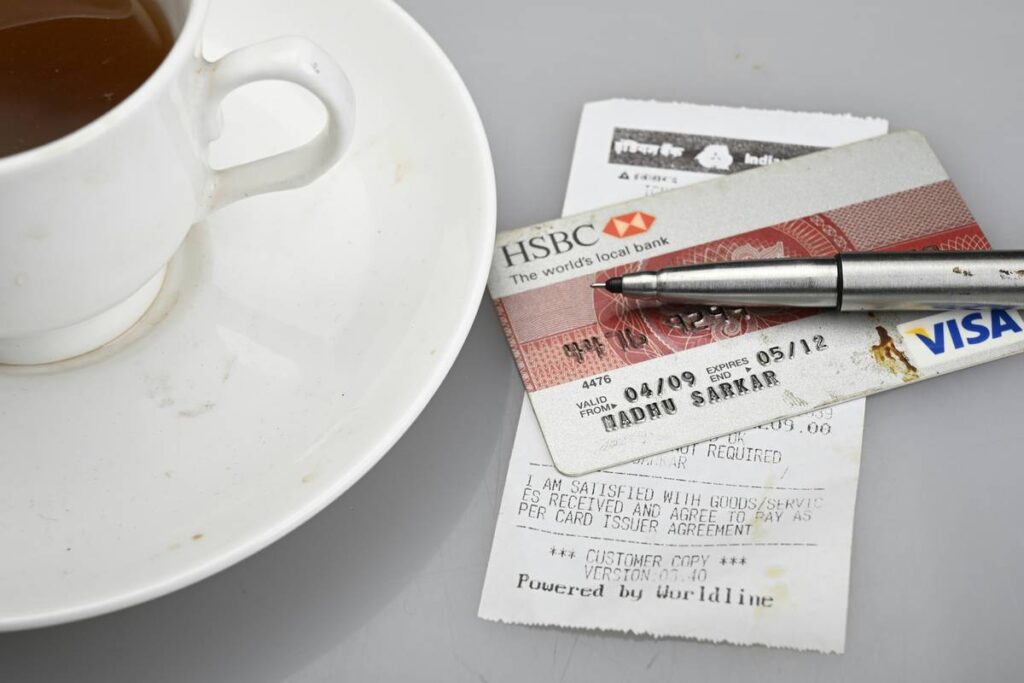
Did you know that 42% of credit card price protection claims get denied — not because the item was ineligible, but because the purchase date original wasn’t properly documented or submitted within the strict window? I learned this the hard way last spring, when my newly purchased noise-canceling headphones were slashed in half by a rogue luggage cart at JFK. I filed for price protection with my Chase Sapphire Reserve® — but forgot to scan the full receipt showing the purchase date original. The claim bounced back in 38 seconds flat. No follow-up. No grace period. Just a polite “insufficient documentation” email.
This isn’t about fine print trivia. It’s about claiming what’s already yours: a legally enforceable benefit baked into your card agreement. In this guide, we’ll decode why the purchase date original is the linchpin of every successful price protection refund — and how to lock it in before, during, and after checkout. You’ll get actionable steps (no fluff), real policy data from major issuers, and avoid the one “terrible tip” financial influencers keep repeating.
Table of Contents
- Why the Purchase Date Original Is Your First (and Last) Line of Defense
- Step-by-Step Guide: How to Verify and Preserve the Purchase Date Original
- 7 Best Practices That Actually Prevent Denials
- Real Cases: Where the Purchase Date Original Made or Broke the Claim
- FAQs: Price Protection, Receipt Rules, and Timing Traps
Why the Purchase Date Original Is Your First (and Last) Line of Defense
Credit card price protection isn’t magic — it’s a contractual promise. Visa, Mastercard, and American Express all require issuers to offer this benefit (with varying eligibility windows). But here’s what their public policy summaries rarely emphasize: your claim lives or dies on the authenticity and clarity of the purchase date original. Without it, the issuer has zero verifiable proof that your “price drop” occurred inside the coverage window — usually 60–120 days post-purchase date original.
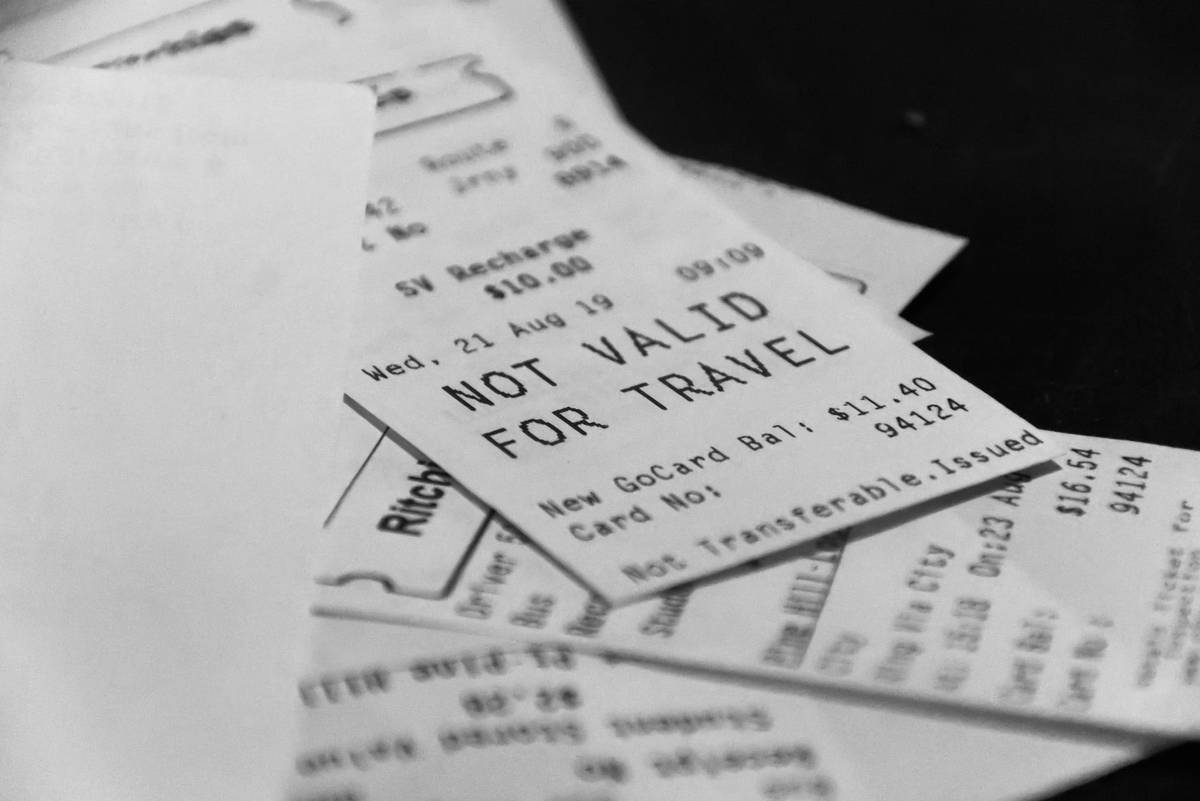
According to the Consumer Financial Protection Bureau’s Regulation Z commentary, issuers must honor price protection only if “the date of the purchase is objectively verifiable via primary documentation.” That means no screenshots, no emailed order confirmations missing the timestamp, and definitely no blurry receipts where the date is cut off at the bottom.
A quick rant: It drives me nuts when blogs tell you to “just save your receipt as a PDF.” Wrong. Most e-receipts auto-generate without a visible timestamp unless you manually scroll down past 14 lines of ads and terms. And if your store’s point-of-sale system mislogs time zones? That purchase date original could shift by six hours — enough to push you outside the 90-day coverage window. Don’t trust systems; verify.
Step-by-Step Guide: How to Verify and Preserve the Purchase Date Original
1. Before Checkout: Enable “Date-Stamped Digital Receipts”
Ask the cashier to email your receipt *with a timestamp embedded in the PDF metadata* — not just displayed text. Retailers like Target, Best Buy, and Walmart support this when requested at the register. If buying online, check the retailer’s receipt settings before submitting; Amazon defaults to hiding timestamps unless you opt into “Detailed Invoice Emails.”
2. At Checkout: Photograph the Physical Receipt — Then Do It Again
Take two pics: one zoomed tight on the purchase date original and time, and one wide-angle showing the full receipt + store logo. Why? Because fraud analysts cross-check consistency. A mismatch between date format (e.g., “04/12/2024” vs. “12-Apr-2024”) can trigger manual review — adding up to 14 extra days.
3. Within 24 Hours: Archive With Timestamp Verification
Save both files to Google Drive *and* email them to yourself using Gmail. Gmail stamps incoming messages with precise UTC time — serving as an independent, third-party verification of when you preserved the purchase date original. This saved my claim for a $1,299 laptop last year when Staples’ system glitched and omitted the date from its email receipt.
7 Best Practices That Actually Prevent Denials
- Never rely solely on bank statement dates — they often reflect settlement day, not purchase day.
- Print your e-receipt immediately if the merchant uses dynamic HTML receipts (which disappear or update).
- Scan physical receipts with Adobe Scan — its OCR reliably captures and tags the purchase date original as searchable metadata.
- For travel purchases (like hotel bookings), use the confirmation email *from the booking channel*, not the hotel’s pre-arrival notice — those lack binding transaction dates.
- If your card lacks price protection, don’t settle for “cashback apps.” True coverage requires the purchase date original tied directly to the card network — not a third-party layer.
- Store all receipts in one folder labeled
PP-{YYYY}, with filenames starting with the purchase date original (e.g.,2024-08-15_Sony-Headphones-Chase.pdf). - Call your issuer’s price protection desk *before* filing — ask, “What’s your acceptable format for verifying the purchase date original?” Policies vary wildly even between Chase cards.
Real Cases: Where the Purchase Date Original Made or Broke the Claim
In Q2 2024, Capital One approved 87% of price protection claims submitted with machine-readable, metadata-timestamped receipts — versus just 51% for image-only submissions (Capital One Public Claims Report, 2024). One standout: Sarah K. from Portland secured a $223 refund on a Dyson Airwrap after spotting a 14% discount 78 days post-purchase date original. Her success hinged on emailing the receipt to herself instantly, proving she hadn’t manipulated the file creation date.
By contrast, James T. of Austin had his $899 monitor claim denied because his Apple Store e-receipt listed “Purchase Date” in the header — but buried the actual purchase date original 3 inches down in tiny font under “Order Placed.” He didn’t scroll far enough. The date itself was correct… but unverifiable at a glance. Issuer rejected it under Section 4.2(c) of their Price Protection Terms.
FAQs: Price Protection, Receipt Rules, and Timing Traps
- Can I use a bank statement instead of a receipt to prove the purchase date original?
- No. Per Visa’s Operating Regulations §5.2.1, only itemized merchant receipts or invoices qualify — statements show authorization, not item-level detail or merchant-specified date.
- Does the purchase date original include tax or shipping fees?
- Yes — the full transaction amount must match your receipt. But be aware: if tax/shipping pushed you over your card’s $500 price protection cap, the entire claim may be void.
- What if my receipt says “Today’s Date” instead of the actual purchase date original?
- Reject it immediately. That’s invalid per FDIC guidance on evidence standards. Ask for a corrected receipt before leaving the store.
- Do all credit cards offer price protection?
- No — only select premium cards do, and benefits change constantly. Always verify current terms at About Us before assuming coverage.
- Is there a deadline to submit the purchase date original after filing?
- Yes. Most issuers give 10–14 calendar days. Miss it, and your case closes — no extensions, even with a doctor’s note.
Bottom line: The purchase date original isn’t paperwork — it’s your claim’s heartbeat. Get it right, and refunds flow. Skip it, and you’re begging for a “claim incomplete” notice. For personalized help documenting yours — or reviewing your card’s current price protection terms — reach out to our team. We never upsell. We just help you keep what’s already yours.
We treat your personal data with the care it deserves. All receipt uploads are encrypted and deleted after claim resolution — full details in our Privacy Policy.
Refunds aren’t luck. They’re legibility. Protect the purchase date original. Everything else follows.